Planting a tree in Rochester is more than just a weekend DIY project; it is a long-term investment in your property’s value and our local ecosystem. Whether you’re looking to add shade to a backyard in Brighton or curb appeal to a historic home in the South Wedge, proper tree planting is essential to long-term tree health.
While putting a sapling in the ground seems straightforward, ensuring a tree thrives in Western New York’s unique climate requires more than just a shovel and a bag of mulch. To avoid the heartbreak of a tree dying immediately or worse dying ten or 20 years later from improper planting. This strategy covers everything from species selection to post-planting care.
When is the Best Time to Plant a Tree in Rochester?
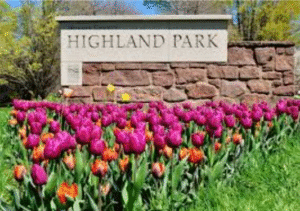 While early spring is the best time for planting in Rochester due to our abundant rainfall and cool temperatures, you don’t have to wait for the “perfect” window. The truth is, any time of the year works well for planting a new tree as long as it is planted correctly and sufficient water is available. Whether you are planting a deciduous species like a pin oak during the dormant season or an evergreen tree like a blue spruce in July, success in Western New York comes down to proper planting and diligent watering. If you commit to a consistent irrigation schedule to help the roots acclimate before the ground freezes, you can transform your landscape during any month of the growing season.
Choosing the Right Tree for Your Monroe County Property
Instead of thinking of a tree as just another object in the yard, it helps to approach the decision the way a responsible person would approach adopting a pet. Before bringing home a puppy, you would first consider your living space and then figure out what kind of dog fits in your household. An English Mastiff puppy may be small and adorable today, but a full grown dog isn’t going to fit in a tiny apartment. Trees work the same way. A species that looks perfect in a five gallon pot at the nursery could become a major headache in twenty years if it outgrows its surroundings or is planted in the wrong spot.
Start with the Site, Not the Species
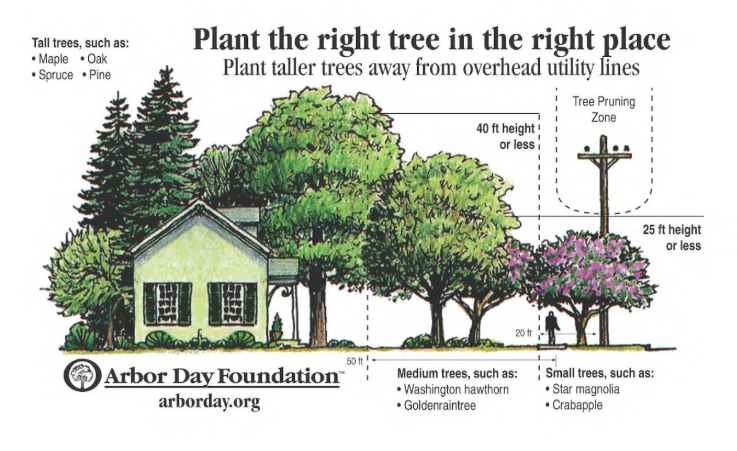
The establishment process begins long before a root ball goes into the ground. Before browsing at nursery catalogs or falling in love with a particular variety, take an honest look at the planting location. How much space is available both above and below ground? What kind of light exposure does the area get throughout the day? Is the soil well drained, or does water pool after a heavy rain? Is the ground compacted from years of foot traffic or construction?
Proper tree placement can enhance your property’s value and prevent costly maintenance and repairs down the road. Consider overhead utility lines, nearby sidewalks, driveways, and foundations. A beautiful willow tree planted too close to a sewer line or a driveway can quickly turn from an asset to an expensive liability. If you’re unsure about any of these factors, a quick consultation with an ISA Certified Arborist can save you from a decision you will regret in a decade’s time.
Then Match the Species to the Space
Once you understand the site, you can narrow down species that will actually thrive on your property; not just survive. Think about the purpose you want the tree to serve. Are you looking for summer shade over a patio? A visual screen between you and a neighboring property? Curb appeal along a front walkway? The function drives the form.
Beyond purpose, factor in pest and disease susceptibility. Western New York has its share of threats, from sycamore anthracnose to apple scab, and choosing a resilient species from the start is far easier than managing a chronic problem later. Native and climate adapted varieties tend to establish faster and demand less intervention over their lifetime.
Know Your Maintenance Commitment
Finally, be honest about how much care you are willing to give. Some species require regular structural pruning to develop strong branch architecture, while others are comparatively low maintenance once established. Every tree, regardless of species, will need consistent attention during the first one to three years of planting, adequate water, mulch management, and occasional inspection and pruning just to get properly rooted and feel at home in your landscape.
Getting your new tree off to a healthy start will help it mature to its full size and ensure it provides environmental, economic, and aesthetic benefits throughout its lifetime. If you would like help choosing and planting the right tree for the right spot on your property, J.M. Tree Service’s ISA Certified Arborist can walk your site and provide recommendations tailored to your landscape, goals, and budget.
Set Your Trees Up for Success
A tree planted today could outlive the home it shades. That is worth getting right from the start. From timing your planting to evaluating your site conditions, selecting the appropriate species, and committing to those critical first years of care, every decision in the process shapes whether your tree becomes a lasting asset or an early removal job.
The good news is that you don’t have to figure it out alone. Whether you’re planting a singe specimen tree in the front yard or planning a larger landscape project, J.M. Tree Service can help at every stage; from species selection and site evaluation to professional planting and long term maintenance. Our ISA Certified Arborist work with homeowners across Brighton, Pittsford, Fairport, and the greater Rochester area every day to make sure new trees get the start they deserve.
Ready to plant with confidence? Contact J.M. Tree Service for today, and let’s find the right tree for the right spot in your landscape.